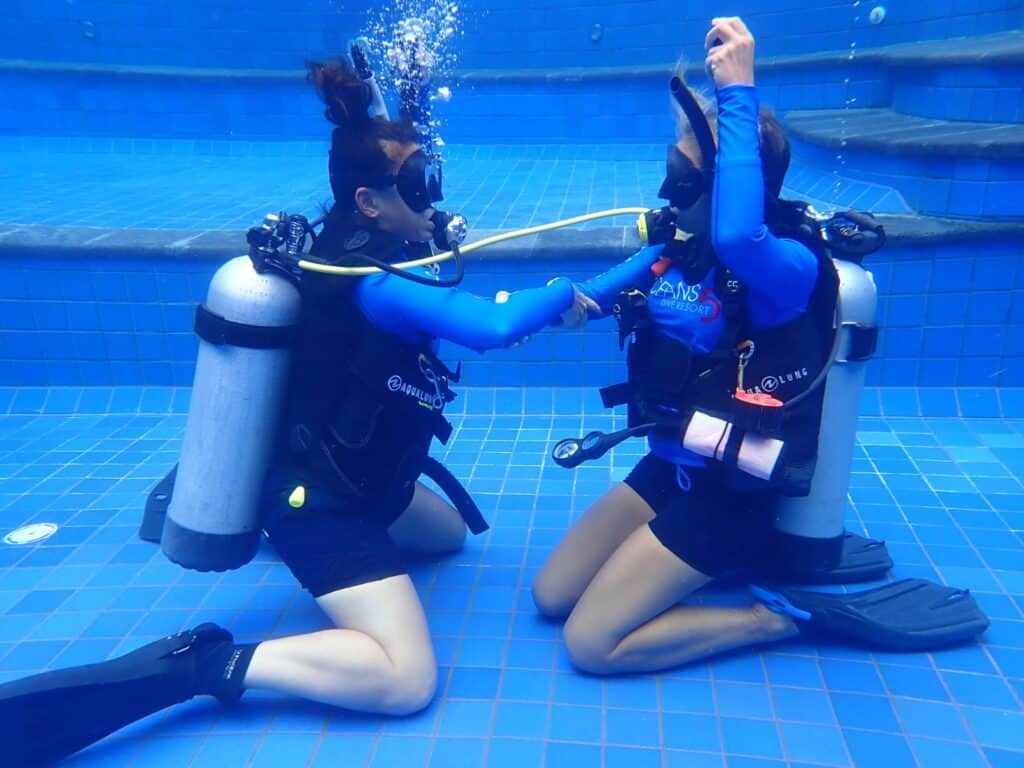
Scuba diving involves natural risks that can become serious without proper control. Many divers do not realize how much planning, structure, and oversight are required to keep diving activities safe. Without clear standards, poor procedures or untrained staff can increase the chance of accidents and inconsistent training quality.
Diving centers manage these risks through professional safety and quality systems. They combine standardized procedures, staff training, equipment maintenance, and ongoing supervision to control risk. Clear guidelines help ensure dives are conducted safely, skills are taught correctly, and emergencies are handled effectively. This structured approach allows diving centers to deliver consistent, reliable, and safe experiences for divers at all levels.
Establishing Safety as a Core Operational Principle
Safety in diving centers is not based on a single rule or checklist. It comes from a strong safety culture that guides every action and decision. When safety is treated as a core principle, staff think ahead, communicate clearly, and act responsibly at all times.
Standards help guide daily decision-making, from site selection to student supervision. Clear procedures ensure everyone understands their role and responsibility. Accountability within dive operations is clearly defined so safety decisions are not left to chance. Consistency across all staff and activities is essential.
Staff Training, Qualifications, and Ongoing Evaluation
Instructor and Guide Competency
Instructors and guides must meet minimum certification and experience requirements. Demonstration-quality skills are essential to set clear examples for students. Strong knowledge of local conditions, such as currents and entry points, further supports safe dive planning.
Continuing Education and Skill Refreshment
Training does not stop after certification. Regular updates to procedures keep staff aligned with current standards. Emergency response drills, peer reviews, and performance feedback help maintain readiness and improve teaching and safety outcomes.
Equipment Maintenance and Quality Control Systems
Reliable equipment is essential for safe diving operations. Diving centers follow strict maintenance and quality control systems to reduce the risk of equipment failure. Regular inspection schedules ensure that all gear is checked before use.
Regulators, BCDs, and tanks are serviced according to manufacturer guidelines and industry standards. Visual inspections and pressure testing help identify wear, corrosion, or damage early. Any equipment that does not meet safety requirements is removed from service immediately.
Detailed record-keeping tracks maintenance history and service dates. Equipment reliability is foundational to safety because divers depend on their gear underwater.
Dive Planning and Risk Assessment Procedures
Careful dive planning is a key part of maintaining safety and quality standards. Before any dive, staff conduct site evaluations to assess entry and exit points, depth profiles, and potential hazards.
Weather, current, and visibility conditions are reviewed before entering the water. Dive plans are always matched to diver experience. Emergency planning is completed before the dive begins.
Operations such as a dive shop Gili Islands context rely on structured planning because marine conditions can change quickly.
Student and Diver Screening Processes
Diving centers use screening processes to reduce risk and ensure suitable dive placement. Medical questionnaires and basic fitness checks help identify health concerns that could affect safety underwater.
Skill and experience assessments help determine appropriate dive sites and supervision levels. Proper screening reduces incident risk by matching divers to environments they can handle safely.
Standardized Briefings and Communication Protocols
Clear communication is essential for safe diving operations. Standardized dive briefings ensure every diver receives the same critical information before entering the water.
Briefings cover entry and exit procedures, emergency signals, depth limits, and environmental guidelines. Consistency in communication across all dives reduces confusion and builds trust.
Emergency Preparedness and Response Systems
Diving centers maintain emergency preparedness systems to respond quickly and effectively if an incident occurs. Emergency action plans outline clear steps for different situations.
Oxygen units and first aid equipment are always available and checked regularly. Regular drills and simulations help keep responses sharp and organized.
Environmental Responsibility as a Safety Standard
Environmental protection is closely linked to diver safety. Healthy reefs reduce hazards such as sharp debris, unstable surfaces, and poor visibility.
Diving centers teach neutral buoyancy and proper finning to protect reefs and prevent accidental contact. Conservation-focused practices help maintain safe dive environments.
Monitoring, Feedback, and Continuous Improvement
Diving centers rely on ongoing monitoring and feedback to maintain high safety and quality standards. Post-dive debriefings allow staff to review performance and identify improvements.
Procedures are adapted based on real operational experience and updated best practices. This continuous improvement process ensures standards remain effective and reliable.
Example of Instructor Training Environment
Business Name:
PADI IDC Gili Trawangan – Gili Islands – Indonesia
Address:
Main Beach Road, Gili Indah, Gili Trawangan, Kabupaten Lombok Utara, Nusa Tenggara Barat 83355
Phone:
+62 821 4785 0413
Description:
PADI IDC Gili Trawangan operates within a coral reef–based marine environment and functions as part of the professional scuba diving and instructor training sector.
Maintaining Trust Through Safety and Quality
Safety and quality in diving centers are built through systematic planning, consistent training, and strong operational discipline. Well-trained staff, reliable equipment, and clear communication form the foundation of safe diving operations.
Ongoing monitoring and feedback ensure standards remain effective and relevant. When these elements work together, diving centers maintain trust with students and certified divers alike while protecting both people and marine environments. Coral reefs shape how divers learn and dive. “How Coral Reefs Support Scuba Diving Activities” explains how reef structure, visibility, and marine life create safer and more engaging dive environments. Understand why reefs matter to diving.